


Stickdance Tuber: Fight Melody
Cuongbeo Game Studio
I spent time with Stickdance Tuber: Fight Melody, a free music game from Cuongbeo Game Studio that turns rhythm into a stick-figure battle. Its basic idea is easy to understand: follow the musical action, keep your timing under control, and use that rhythm-focused interaction to get through confrontations. The presentation is deliberately playful rather than realistic, which gives it a lighter personality than many action games.
That combination makes it interesting for players who want something more active than a standard song player but less demanding than a full fighting game. I would not describe it as a replacement for a serious rhythm title, though. Its appeal comes from mixing music and cartoon combat into a quick mobile experience, so the right question is whether that blend sounds enjoyable to you.
How the music-and-fight idea works in everyday play
The game fits naturally into short sessions. I can imagine opening it while waiting for transport, taking a few attempts during a break, or playing several rounds at home without committing to a long campaign. The stick-figure style keeps the screen readable and gives the action a humorous edge, while the musical focus encourages me to pay attention instead of tapping randomly.
What makes the concept work is the relationship between sound and movement. In an ordinary action game, I usually watch an opponent, react to animations, and think about positioning. Here, the music becomes part of that decision-making process. That changes the feel of each encounter: I am not only trying to win a fight, I am trying to stay in step with the game’s rhythm.
That distinction matters when deciding whether it is right for you. If you enjoy games where timing is the main source of satisfaction, this is more promising than a conventional stickman brawler. If you prefer slow planning, complex character builds, or a large exploration world, the music-driven format may feel too narrow.
Related News






What the free entry point means
There is no purchase price to start playing, which makes experimenting with the idea straightforward. I can install it, try the core loop, and decide whether the combination of melody and combat suits me without paying upfront. That is a meaningful advantage for a niche game, especially when its unusual theme may not appeal to everyone.
The game does include optional in-app purchases priced from $0.99 to $9.49 per item. I would therefore treat the free access as an opportunity to test the experience rather than assume that every part of long-term play has the same value without spending. The sensible approach is to play first, understand what the free version offers, and only then decide whether any available purchase improves your own routine.
For families, the Teen content rating is also worth noticing before installation. It is not presented as a children’s game, even though the stick-figure art may look simple and friendly. I would check that rating against the age of the person using the device, particularly if the game is being installed for a younger player.
Gallery
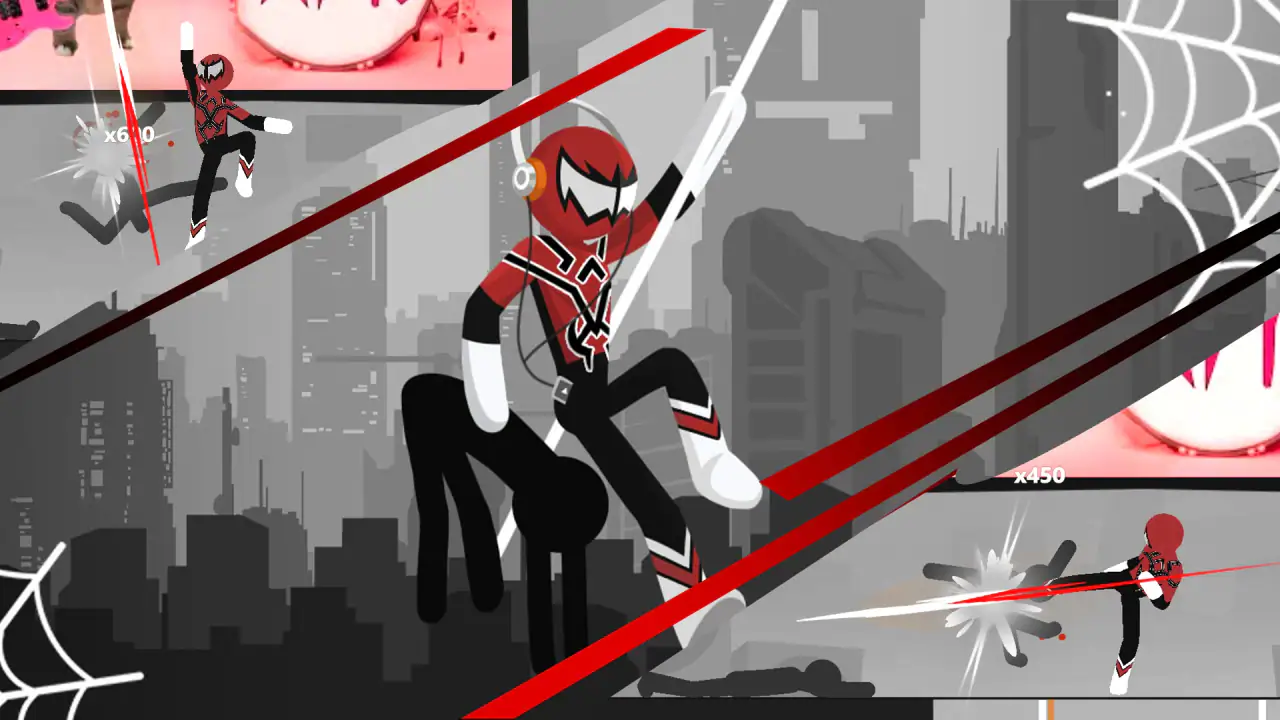
The first-session strengths I noticed
The strongest immediate quality is accessibility. A stick-figure visual style avoids the visual clutter that can make mobile combat difficult to read. Music supplies a clear cue for attention, and the short-session structure makes it easy to try again after a mistake. That retry-friendly feeling is important because rhythm games are often most enjoyable when failure teaches timing rather than simply blocking progress.
I also like the way the theme gives the game a distinct identity. There are many mobile games built around tapping, fighting, or music, but combining those ideas through a dancing stick character gives this one a more recognizable personality. It feels designed to be playful first, which can be refreshing after spending time with games that take every battle very seriously.
A useful technique is to begin by listening rather than chasing the action immediately. On an unfamiliar track, I would use the first attempt to notice the beat and identify where the game expects a response. That small change in approach can make the second attempt feel more controlled. Players who treat every miss as a reflex problem may become frustrated, while players who treat the song as a pattern may settle in faster.
Where the value comes from
The value here is mainly experiential rather than based on a large amount of content that I can verify from the game’s public details. You are getting a free way to try a music-themed combat concept, a visual style that is easy to recognize, and a format that suits brief play. That is enough to justify a download for curious players, but it is not a reason to assume the game will satisfy someone seeking a deep competitive system.
For me, the most useful role is as a change of pace. I might normally choose a music game for timing practice or a casual action game for quick entertainment. This title sits between those choices. It can provide the concentration of a rhythm challenge while retaining the immediate visual reward of a fight. That middle ground is its clearest reason to exist.
One practical workflow is to play with sound enabled for the first several attempts, then decide whether the visual cues alone are comfortable enough for quieter situations. Because the music is central to the concept, muting the phone removes an important part of the experience. If you regularly play without audio, a conventional action game may serve you better.
How it compares with familiar alternatives
Compared with a traditional rhythm game, this is more character-driven and action-oriented. A pure rhythm title usually makes the song pattern the whole challenge, while this game frames timing through a stickdance fight. That can make the experience more approachable for someone who wants a little spectacle around the beat. On the other hand, a dedicated rhythm game is likely the better choice for a player who wants precise musical practice above everything else.
Compared with a typical stickman fighting game, the music is the important difference. Standard stickman combat often rewards reaction speed, attack selection, and reading an opponent’s movement. Here, I would expect the player’s relationship with the track to matter more. Someone looking for elaborate fighting mechanics should keep that distinction in mind before downloading.
It also differs from passive music apps because the player is not simply listening. The game asks for active participation, which makes it more engaging when I have a few minutes and want something to do with my hands. The trade-off is that it demands attention; it is not suitable as background entertainment while I am working or watching something else.
Small decisions that improve the experience
I found three habits especially useful for this kind of game. First, I would start sessions when the phone is held comfortably and the screen is free from distractions, because rhythm mistakes can come from awkward handling rather than a lack of skill. Second, I would avoid judging the game after one difficult attempt; timing-based games often feel unfamiliar until the player recognizes their repeating cues.
Third, I would separate experimentation from progression. During one attempt, I might focus on learning the musical pattern. During the next, I would concentrate on cleaner execution. Trying to discover the pattern and perform it perfectly at the same time can make the game feel harder than it is. This approach is particularly helpful for players who normally avoid rhythm games because they think they have poor reflexes.
Another trade-off is the role of repetition. Replaying a section can be satisfying when I feel myself improving, but it can also become tedious if I want constant novelty. That is why I see the game as a good companion for short bursts rather than an automatic choice for an entire evening. Its strongest moments come when I am in the mood to focus on timing and enjoy the comic presentation.
Device and version considerations
The game requires Android 8.0 or later, so it is available to people using many still-common Android devices, though anyone with an older phone should check compatibility before planning around it. The current version is 1.34, and the game was released on April 18, 2025. Those details make it easier to place the app in a recent mobile catalog rather than treating it as an older rhythm experiment.
Its public reception is encouraging without being a guarantee. It holds a 4.4 average from around 543 ratings, along with around 40 written reviews, and has passed 100K installs. I read that as evidence of real interest, not proof that every player will enjoy the controls or pacing. A music game can feel excellent to one person and awkward to another simply because timing preferences and device handling differ.
Performance expectations should also be realistic. I would avoid installing it on a device that is already struggling with touch response or audio delays, because even a small delay can make rhythm input feel unfair. Before considering any purchase, I would test the game with the phone’s usual sound setup and make sure the controls feel consistent. That is a better value check than paying first and hoping the timing works afterward.
Who is likely to get the most from it
I recommend giving it a chance if you enjoy music games but want a stronger visual hook, or if you like stickman action and are curious about a rhythm-based variation. It is also a sensible choice for players who prefer free-to-start games and enjoy improving through repeated short attempts rather than building a long-term character or exploring a large map.
It may suit a casual group setting as well. One person can play while others listen and comment on the timing, and the simple visual language makes the action easy to follow. I would not present it as a serious multiplayer party replacement, but its quick musical battles could work as a light shared activity when people want something more interactive than watching a video.
The game is less suitable for anyone who needs silent play, dislikes repetition, or wants a detailed combat system with extensive strategy. I would also steer away from it if your main goal is listening to music without interruption. The game asks you to participate, and that demand is part of its charm as well as one of its clearest limitations.
What to consider before spending
Because the game is free to start but offers purchases between $0.99 and $9.49 per item, I would make the spending decision slowly. First, check whether the basic timing loop remains enjoyable after several sessions. Then consider whether an optional item solves a problem you actually have, such as wanting more convenience or a different way to enjoy the game. If the core rhythm-and-fight interaction already feels repetitive, spending more is unlikely to change that fundamental reaction.
This is also where the game’s niche identity helps. Players who love the format may find a small purchase worthwhile because it supports a pastime they return to often. Players who are only mildly curious can keep the experience at its free entry point and still get a fair chance to decide. I appreciate that distinction: the free access lowers the risk, while the optional pricing means value depends on personal engagement rather than an upfront commitment.
I would be especially cautious about purchases made by younger users because the Teen rating and optional paid items belong in the same conversation. A parent or device owner should decide who controls spending before handing over the phone. That is ordinary mobile-game housekeeping, but it matters more when a game’s quick retry loop encourages frequent short sessions.
My final recommendation
After trying its concept, I see Stickdance Tuber: Fight Melody as a distinctive casual music game rather than a complete substitute for either a dedicated rhythm title or a full fighting game. Its free starting point, readable stick-figure presentation, and unusual musical combat angle make it easy to recommend as an experiment. The game offers enough personality to stand out, especially when I want a few focused minutes instead of a long gaming commitment.
My recommendation is to download it if you enjoy timing challenges, playful action, and learning through repetition. Start with sound on, give yourself a few attempts to recognize the patterns, and judge the experience by how satisfying improvement feels rather than by the first miss. Keep purchases optional until the free play has earned your attention.
I would skip it if you want silent gameplay, deep fighter customization, extensive exploration, or a purely musical practice tool. For everyone else, this is a low-risk way to test an unusual idea. The best value is in the free trial of its core concept: if the beat-driven stickdance battles make you smile and keep you coming back, the game has found its audience.
FAQs for Stickdance Tuber: Fight Melody
What is Stickdance Tuber: Fight Melody?
Stickdance Tuber: Fight Melody is a rhythm-based action game that combines music, animated stick-figure battles, and timing-focused gameplay. Players follow musical cues, tap or swipe at the right moments, and help the character perform attacks or defensive moves. Its presentation is simple and cartoon-like, but success depends on concentration, quick reactions, and learning the rhythm of each stage.
How do you play Stickdance Tuber: Fight Melody?
Gameplay mainly revolves around responding to on-screen prompts in time with the music. Depending on the stage, you may need to tap, swipe, or press buttons to attack opponents, avoid incoming strikes, and maintain a successful combo. The controls are easy to understand after a short introduction, although later encounters require better timing because missed actions can quickly reduce your health or performance score.
Is Stickdance Tuber: Fight Melody suitable for children?
The game uses colorful stick-figure animation and exaggerated combat rather than realistic violence, which makes it generally approachable for younger players. However, parents should still check the age rating, advertising content, and any in-app purchase options listed on the relevant app store. The fast rhythm sections may also be challenging for very young children, especially on higher difficulty levels.
Does Stickdance Tuber: Fight Melody require an internet connection?
Some parts of Stickdance Tuber: Fight Melody may work without a constant connection, particularly the basic gameplay once the necessary files have been installed. Nevertheless, an internet connection can be required for advertisements, updates, online features, cloud-related functions, or restoring purchases. Requirements may differ between Android and iOS versions, so it is best to review the store description before downloading or playing offline.
Is Stickdance Tuber: Fight Melody free to download and play?
Stickdance Tuber: Fight Melody can generally be downloaded without an upfront purchase, but the free version may include advertisements, optional purchases, or limitations connected to progression. Before installing it, check the official Google Play or App Store listing for the current monetization details. If the game offers rewards after watching ads, remember that these features can affect the pace of progress but are not always necessary.
Pros
- Simple rhythm-based controls are easy to learn.
- Fast matches make it suitable for quick gaming sessions.
- Colorful stick-figure animations keep fights visually engaging.
- Different music tracks add variety to repeated battles.
- Lightweight gameplay should run well on many mobile devices.
Cons
- Gameplay may feel repetitive after extended play.
- Timing mistakes can be frustrating during difficult fights.
- The small character designs may reduce visual clarity.
- Progression could feel limited for players seeking deep customization.
- Frequent action may drain the battery during longer sessions.


